


Why formwork matters
Formwork is the temporary mould that holds concrete until it hardens. It’s also a big cost. Guides typically put it at 15–25% of the total RCC cost, and it controls how fast each floor gets built.
What is conventional formwork?
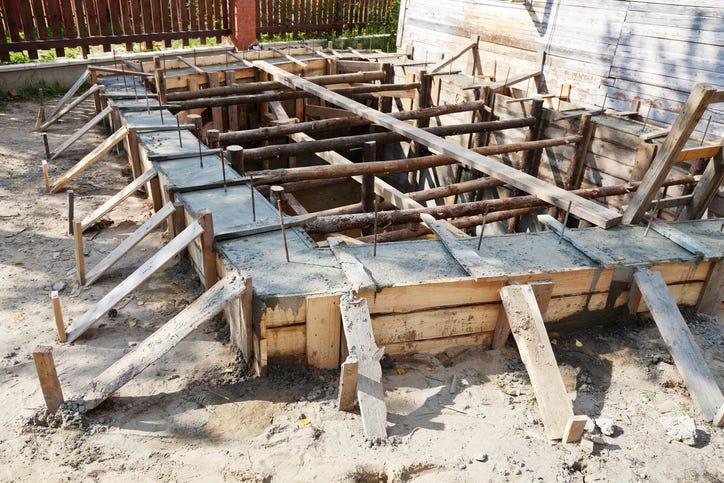
It’s the traditional system, built from timber or plywood on site. Timber shuttering is the basic material because it’s easy to use, and it’s common in India because labour is cheap.
- •Good: low starting cost, flexible shapes, easy to repair.
- •Not so good: slow, labour-heavy, and quality can vary. Timber can only be reused about 5–10 times.
What is Aluminium (Mivan) formwork?
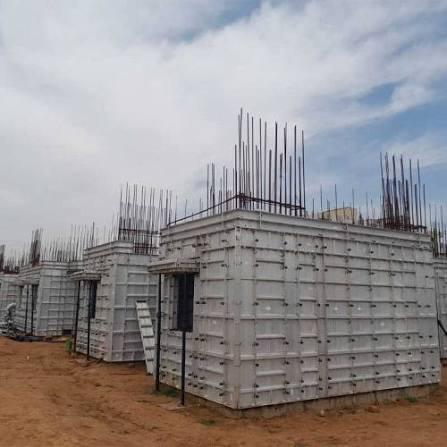
Aluminium formwork uses factory-made aluminium panels that lock together with pins and wedges. Walls and slabs are poured together, which is why it’s called monolithic construction. The panels are light, around 18–20 kg per sq m, so workers can handle them without heavy cranes for the forms themselves.
Speed: where aluminium wins
Conventional formwork usually needs at least 3–4 weeks per floor. One Indian study found aluminium formwork gives a pour cycle of 7 to 10 days. Another source puts it at about 7 days per floor against 20–25 days for regular formwork.
If your tower has 15 floors, that difference adds up to months of earlier handover.
Cost: it depends on repetition
Aluminium costs much more upfront. The way to judge it is cost per use:
Cost per use = (Purchase price − Resale value) ÷ Number of uses
Aluminium panels can be reused 200–250 times, against 8–9 times for conventional formwork, according to the studies reviewed. Well-maintained panels can also keep about 30% of their value as scrap or resale.
Example (illustrative numbers only, not market rates): if a panel set costs ₹9,000 per sqm and resells at 30% (₹2,700), the net cost is ₹6,300. Spread over 200 uses, that’s about ₹31.50 per sqm per use, before labour and repairs.
The more floors and towers you repeat, the lower this number falls. A study of Chennai towers found aluminium costs per sqm drop as repetitions increase.
Why studies disagree
One study found Mivan only 3% more economical but 45% faster. Another found aluminium costlier and just 8 working days faster on one project. The difference comes down to repetition, scale and labour cost. Aluminium wins on repeated layouts. It loses when the design keeps changing.
Side-by-side comparison
| Conventional (timber/ply) | Aluminium (Mivan) | |
|---|---|---|
| Upfront cost | Low | High |
| Speed per floor | Slow | Fast |
| Reuses | Few | Hundreds |
| Labour | High, skilled carpenters | Lower, but trained crew needed |
| Finish quality | Varies | Smooth, consistent |
| Design flexibility | High | Low (repeating layouts) |
| Best for | Small, custom jobs | Towers, mass housing |
What aluminium formwork needs
- •A frozen design. Architectural and structural details must be finalised before panels are fabricated. Late changes get expensive.
- •A trained crew. The system needs a skilled workforce to assemble, pour and strip on time.
- •Lifting arrangements. One study noted that pouring several blocks at once needs more lifting devices and more labour on site.
Which should you choose?
- •Choose aluminium if your project has many identical floors or units, a tight deadline and a design that won’t change.
- •Choose conventional if it’s a small project, a one-off house, or has irregular shapes. Research notes aluminium is less feasible for small-scale projects because of the upfront investment.
- •Check rental or hybrid options if you want speed without owning the full set.
FAQs
Is aluminium formwork cheaper than conventional? Not always. It costs more upfront, but over many reuses its cost per use can be lower.
How many times can aluminium formwork be reused? Studies in India report around 200–250 uses with proper care.
Is Mivan the same as aluminium formwork? Mivan is a proprietary aluminium system, and the name is now used loosely for aluminium formwork in India.
Final thoughts
Don’t ask “which formwork is cheaper?” Ask “how many times will I reuse it, and how fast do I need to build?” Get a vendor quote, work out cost per use, and compare it with your conventional cost plus the extra weeks on site.